
Contents
Overview
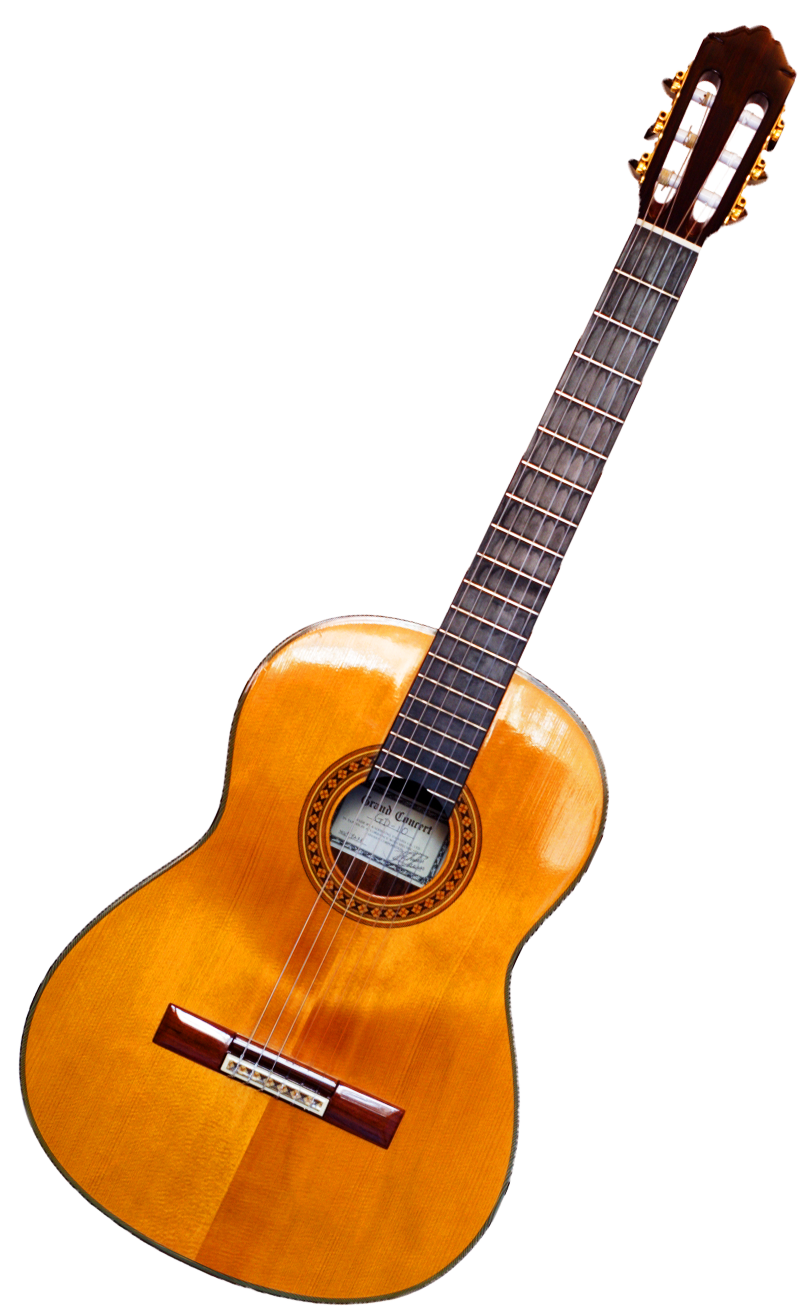
The guitar is a ubiquitous fretted string instrument, typically featuring six strings, that has become a cornerstone of global music across countless genres. Its versatility allows for both acoustic resonance and electronic amplification, making it adaptable to intimate performances and stadium rock alike. Evolving from ancient lutes, the modern guitar's design solidified in the 19th century, with significant advancements like steel strings and electric pickups transforming its sonic capabilities. From the intricate fingerpicking of folk music to the searing solos of rock, the guitar's expressive range and portability have cemented its status as a primary vehicle for musical creativity and cultural expression worldwide. Its influence extends beyond music, shaping fashion, visual arts, and popular culture for over a century.
🎵 Origins & History
The guitar's lineage traces back thousands of years to ancient stringed instruments like the Mesopotamian lyres and Egyptian lutes, with precursors such as the oud and the vihuela playing crucial roles in its development. The transition from gut strings to steel strings, pioneered in the United States around the late 19th century, dramatically altered its timbre and volume, paving the way for its amplified future. Early electric guitars, such as the Rickenbacker Electro Spanish and the Gibson ES-150, emerged in the 1930s, fundamentally changing the instrument's role in popular music.
⚙️ How It Works
At its core, the guitar operates on the principle of vibrating strings stretched over a fretted neck. When a string is plucked or strummed, it vibrates at a specific frequency determined by its length, tension, and mass. Pressing a string against a fret shortens its vibrating length, producing a higher pitch. In acoustic guitars, the hollow body acts as a resonating chamber, amplifying the string vibrations through the soundboard. Electric guitars, however, utilize magnetic pickups positioned beneath the strings; these pickups convert the string's vibrations into an electrical signal, which is then sent to an amplifier to produce audible sound. This dual nature—acoustic warmth and electric power—is central to the guitar's sonic versatility.
📊 Key Facts & Numbers
Globally, an estimated 100 million guitars are produced annually, with the global guitar market valued at over $10 billion USD in 2023. The United States remains a significant market, accounting for approximately 25% of global sales, followed by Europe and East Asia. Fender Musical Instruments Corporation and Gibson Brands, Inc. are two of the most dominant guitar manufacturers, each generating hundreds of millions in annual revenue. Over 100 million people worldwide identify as active guitar players, with online tutorials and digital learning platforms like JustinGuitar and Fender Play reaching millions of aspiring musicians. The secondhand guitar market is also substantial, with vintage instruments from the 1950s and 1960s often fetching prices well into the six figures.
👥 Key People & Organizations
Numerous individuals and organizations have shaped the guitar's history and evolution. Antonio de Torres Jurado is widely credited with establishing the modern classical guitar's design in the mid-19th century. Leo Fender revolutionized the electric guitar with the Fender Telecaster (1950) and Stratocaster (1954), while Gibson's Les Paul, designed with guitarist Les Paul, became another iconic electric model in 1952. Guitarists like Jimi Hendrix, Eric Clapton, and B.B. King pushed the instrument's boundaries, influencing generations. Organizations such as the Guitar Foundation of America (GFA) promote classical guitar performance and education, while NAMM (National Association of Music Merchants) serves as a crucial trade association for instrument manufacturers and retailers.
🌍 Cultural Impact & Influence
The guitar's cultural footprint is immense, permeating nearly every facet of modern music and beyond. The guitar became the defining instrument of genres like blues, rock and roll, jazz, country, and flamenco, serving as the primary voice for countless iconic songs and artists. Its visual presence in album art, concert stages, and film has solidified its iconic status. The guitar's portability and relative accessibility have made it a symbol of rebellion, self-expression, and artistic freedom for youth cultures worldwide. From the protest songs of the 1960s to the stadium anthems of today, the guitar has consistently been a tool for social commentary and emotional release.
⚡ Current State & Latest Developments
In 2024, the guitar industry continues to adapt to digital trends and evolving musical tastes. The rise of affordable, high-quality instruments from Asian manufacturers, particularly in China and South Korea, has democratized access. Simultaneously, advancements in digital modeling and amp simulation software, offered by companies like Line 6 and IK Multimedia, are changing how guitarists practice, record, and perform. The resurgence of interest in vintage gear and analog effects pedals also indicates a strong counter-trend valuing traditional tones. Online communities and platforms like Reddit's r/guitar and YouTube channels dedicated to guitar reviews and lessons continue to foster engagement and knowledge sharing among players.
🤔 Controversies & Debates
One persistent debate revolves around the perceived decline of the guitar's dominance in mainstream popular music, with some critics arguing that electronic music and other instruments have supplanted its central role. This is countered by the enduring popularity of guitar-centric genres and the constant innovation within the instrument itself. Another controversy concerns the environmental impact of guitar manufacturing, particularly the sourcing of rare woods and the use of plastics and finishes, leading some manufacturers like Taylor Guitars to explore sustainable materials. The ethics of AI-generated music that mimics guitar styles also presents a new frontier of debate for musicians and industry professionals.
🔮 Future Outlook & Predictions
The future of the guitar likely involves further integration with digital technology, potentially leading to instruments with built-in advanced processing capabilities or seamless connectivity with smart devices and virtual reality environments. Innovations in material science could yield lighter, more durable, and environmentally friendly guitars. We may also see a continued diversification of guitar designs to cater to niche genres or experimental musical practices. The ongoing accessibility through online learning and virtual collaboration tools suggests that the guitar will remain a vital instrument for creative expression, adapting to new technological paradigms rather than fading away.
💡 Practical Applications
The guitar's practical applications extend far beyond its use in live performance and recording. It serves as a powerful educational tool, teaching discipline, coordination, and musical theory to millions of students globally through structured curricula like Rock School and Trinity College London examinations. It's used therapeutically in music therapy programs to aid in rehabilitation and emotional well-being. Furthermore, the guitar's iconic imagery is frequently employed in advertising and branding to evoke feelings of freedom, creativity, and coolness. Custom guitar building and repair also constitute a significant artisanal industry, supporting skilled craftspeople.
Key Facts
- Category
- culture
- Type
- product