
Contents
Overview
The strategic importance of the Strait of Hormuz is rooted in millennia of maritime trade and geopolitical maneuvering. Ancient civilizations, including the Elamites and later the Persian Empire, recognized its value as a gateway to the Persian Gulf. Control of this passage has been a recurring theme in regional conflicts, from the naval battles of Alexander the Great to the more recent tensions involving Iran and its neighbors. The modern era saw its significance skyrocket with the discovery of vast oil reserves in the Persian Gulf, transforming it into a critical artery for global energy supply chains. Its geographical formation, a natural bottleneck carved by geological processes over millions of years, predestined it for its pivotal role in global commerce and strategy.
⚙️ How It Works
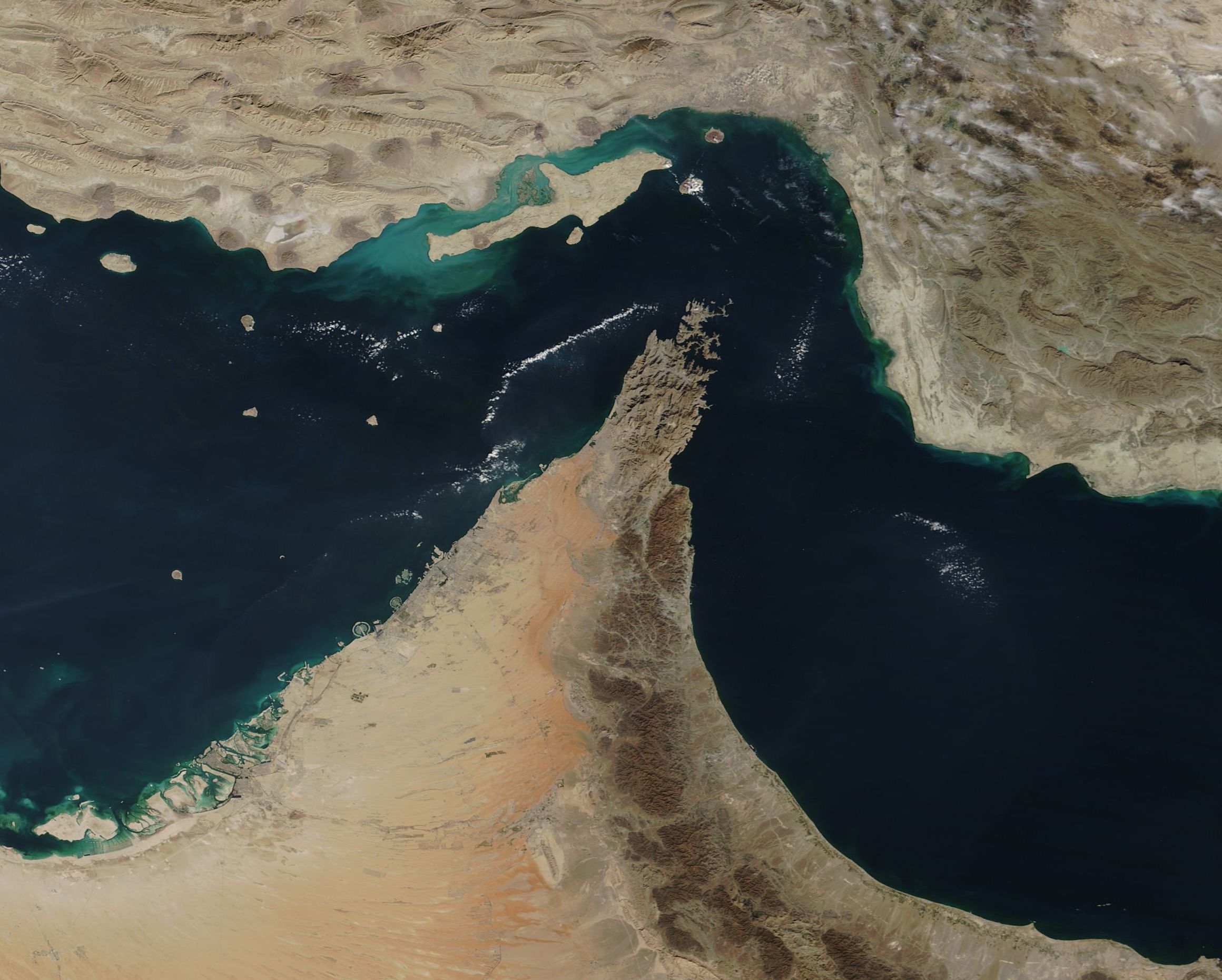
The Strait of Hormuz functions as a natural funnel, channeling maritime traffic between two distinct bodies of water: the enclosed Persian Gulf and the open waters of the Gulf of Oman. Its narrowest point, approximately 24 miles wide, is further constrained by shipping lanes that are only two miles wide in each direction, separated by a buffer zone. This confined space necessitates strict maritime traffic control, managed by international maritime laws and the navigational practices of the bordering nations, primarily Iran and Oman. The strait's depth varies, accommodating large oil tankers and LNG carriers, making it a crucial conduit for the world's largest energy exports.
📊 Key Facts & Numbers
The Strait of Hormuz is a nexus of global energy transit. Annually, it facilitates the passage of approximately 20% of the world's liquefied natural gas (LNG) and 25% of global seaborne oil trade. This translates to roughly 15 million barrels of oil and 20% of global gasoline consumption passing through its waters daily. Over 100,000 maritime vessels transit the strait each year, including an average of 15 large oil tankers. The economic value of the oil passing through is staggering, estimated to be in the hundreds of billions of dollars annually, highlighting its indispensable role in the global economy.
👥 Key People & Organizations
Key actors influencing the Strait of Hormuz include the national navies of Iran and Oman, who share territorial waters and maritime responsibilities. The U.S. Navy has historically maintained a significant presence in the region, often conducting patrols and exercises to ensure freedom of navigation and deter potential disruptions. Major energy companies like Saudi Aramco, QatarEnergy, and ADNOC are primary users of the strait, relying on it for their export operations. International bodies such as the International Maritime Organization (IMO) also play a role in setting navigational standards and safety protocols for this high-traffic area.
🌍 Cultural Impact & Influence
The Strait of Hormuz has profoundly shaped regional geopolitics and global energy markets, influencing international relations and economic policies for decades. Its strategic importance has led to a heightened military presence by various global powers, particularly the United States, aiming to secure the flow of oil. The strait has been a recurring backdrop for diplomatic tensions and military posturing, particularly between Iran and Western nations. Culturally, it represents a critical nexus where Eastern and Western trade routes converge, a historical and contemporary symbol of global interconnectedness and potential vulnerability.
⚡ Current State & Latest Developments
In recent years, the Strait of Hormuz has remained a focal point of geopolitical tensions, particularly concerning Iran's nuclear program and its regional influence. Incidents involving attacks on oil tankers and commercial vessels in or near the strait have periodically escalated tensions, prompting increased naval patrols by international forces, including the U.S. Navy and its allies. Iran has repeatedly conducted naval exercises in the strait, demonstrating its military capabilities and asserting its strategic leverage. The ongoing global demand for energy ensures the strait's continued relevance, while geopolitical dynamics continue to influence its security environment.
🤔 Controversies & Debates
The Strait of Hormuz is a persistent source of international debate and controversy, primarily revolving around freedom of navigation versus national security interests. Iran has, at times, threatened to block the strait, a move widely condemned by the international community as a violation of international law and a threat to global energy security. The presence of foreign naval forces, particularly from the United States, is viewed by Iran as a provocation. Debates also arise regarding the environmental risks associated with such heavy tanker traffic in a confined waterway, including the potential for catastrophic oil spills.
🔮 Future Outlook & Predictions
The future of the Strait of Hormuz's role in global energy transit is complex. While its importance is unlikely to diminish significantly in the short to medium term, the global shift towards renewable energy sources could gradually reduce reliance on seaborne oil and gas. However, the transition will be gradual, and for decades to come, the strait will remain critical. Geopolitical stability in the region will be a key determinant of its future security. Potential alternative routes, such as pipelines, are being explored but face their own economic and political challenges, making the strait's dominance likely to persist for the foreseeable future.
💡 Practical Applications
The primary practical application of the Strait of Hormuz is as a vital maritime conduit for the global energy trade. It is the essential export route for crude oil and liquefied natural gas (LNG) from major producers in the Persian Gulf, including Saudi Arabia, Iran, Kuwait, and Qatar. This transit is critical for supplying energy markets in Asia, particularly China, India, and Japan, as well as for meeting energy demands in Europe. The strait's unimpeded flow is thus directly linked to global economic stability and energy security for numerous nations.
Key Facts
- Category
- geography
- Type
- place