
Contents
Overview
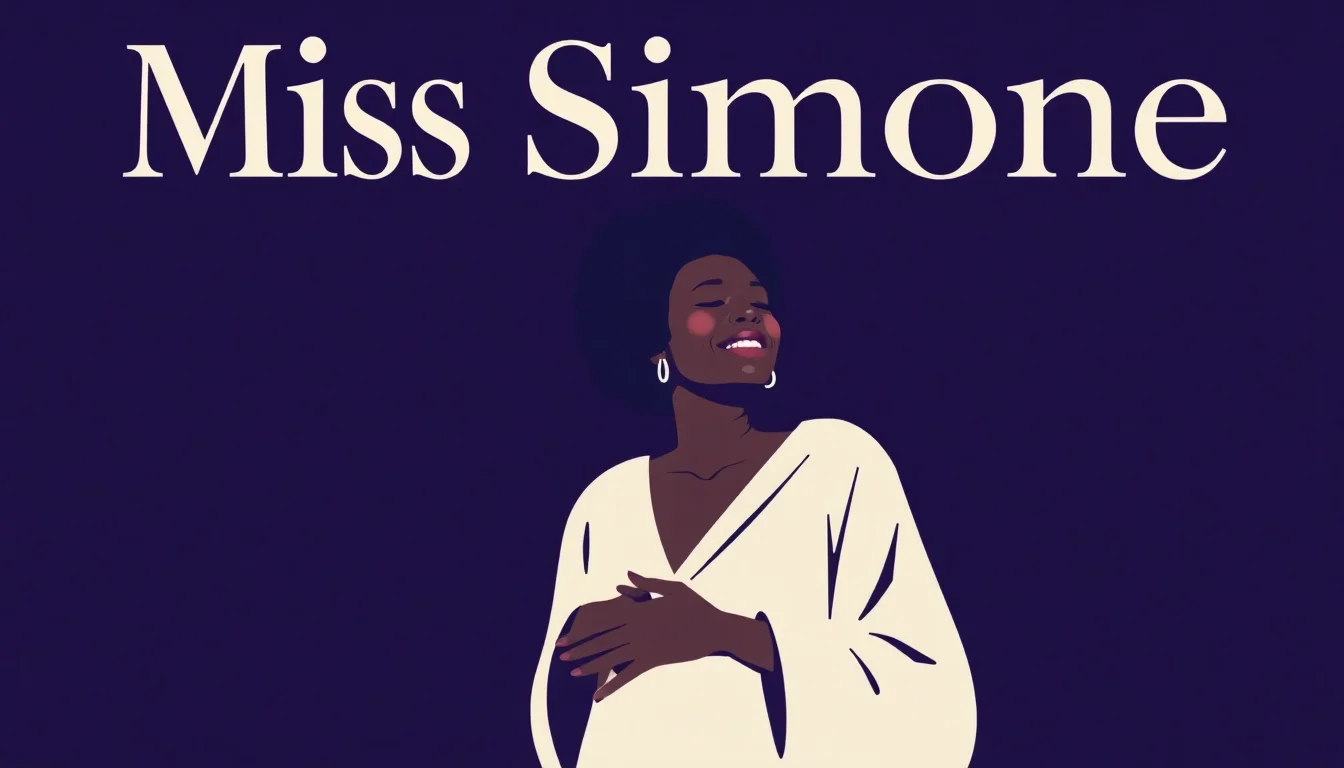
Miss Simone is a figure whose presence on Vibepedia signifies a complex interplay of cultural impact, artistic legacy, and evolving public perception. Her story is not a static entry but a dynamic narrative shaped by fan engagement, critical analysis, and the inherent subjectivity of 'vibe.' Understanding 'what happened Miss Simone' involves tracing her influence across various domains, from music and activism to her representation within digital cultural archives. Vibepedia's approach to figures like Miss Simone emphasizes the measurable 'vibe score'—a 0-100 metric reflecting her cultural energy and resonance at any given moment. This score is influenced by ongoing discussions, new discoveries, and the collective sentiment of the Vibepedia community, making her entry a living document.
🎤 Who is Miss Simone?
Miss Simone, born Eunice Kathleen Waymon, was far more than a singer; she was a force of nature. Emerging in the late 1950s, she carved a unique niche blending jazz, blues, folk, R&B, and classical music. Her powerful contralto voice, coupled with her formidable piano skills and unapologetic stage presence, made her an icon. Simone's music often delved into themes of love, loss, and social injustice, resonating deeply with audiences worldwide. She was a true artist who refused to be confined by genre or expectation, a characteristic that defined her entire career and cemented her status as a cultural icon.
🌟 Key Performances & Recordings
Simone's discography is a treasure trove of unforgettable performances. Her debut hit, 'I Loves You, Porgy,' from her 1958 album Little Girl Blue, catapulted her to fame. Other seminal works include the searing protest anthem 'Mississippi Goddam' (1964), the haunting 'Lilac Wine' (1966), and her powerful rendition of 'Feeling Good' (1965). Her live performances were legendary, often characterized by extended improvisations and raw emotional delivery, as captured on albums like Nina Simone at Newport (1960) and Nina Simone Sings the Blues (1967). Each recording offers a glimpse into her artistic evolution and her profound connection with her material.
🎶 Musical Style & Influences
The musical tapestry of Miss Simone is exceptionally rich and defies easy categorization. Her classical piano training, evident in her sophisticated arrangements and complex chord progressions, formed a bedrock for her more improvisational jazz and blues explorations. She drew inspiration from a wide array of artists, from Johann Sebastian Bach to Billie Holiday, weaving these influences into a sound that was distinctly her own. Her vocal delivery could shift from a delicate whisper to a thunderous roar, conveying a vast spectrum of human emotion. This genre-bending approach made her music accessible yet challenging, appealing to a diverse audience.
✊ Activism & Legacy
Beyond her musical prowess, Nina Simone was a fierce advocate for civil rights. 'Mississippi Goddam,' written in response to the murder of Medgar Evers and the 16th Street Baptist Church bombing, became an unofficial anthem of the Civil Rights Movement. She used her platform to speak out against racism and oppression, often facing backlash for her outspokenness. Her activism was not separate from her art; it was intrinsically woven into the fabric of her being and her music. Her commitment to social justice continues to inspire activists and artists today, underscoring her enduring political legacy.
🤔 The 'High Priestess' Persona
Simone cultivated a persona that was both captivating and intimidating, earning her the moniker 'High Priestess of Soul.' This persona was a deliberate construction, a shield and a statement of defiance against a music industry that often sought to dilute or commercialize Black artists. Her stage presence was magnetic; she commanded attention with her intense gaze and powerful pronouncements. While some found her confrontational, others saw her authenticity as a form of liberation. This complex public image is a crucial element in understanding her impact and the reverence with which she is held.
💔 Personal Life & Struggles
Miss Simone's personal life was marked by significant struggles, including battles with depression, bipolar disorder, and financial difficulties. Her journey was far from smooth, often characterized by tumultuous relationships and periods of self-imposed exile. These challenges, however, often fueled the emotional depth and raw honesty found in her music. Understanding these aspects of her life provides crucial context for the intensity and vulnerability present in her performances and recordings, revealing the humanity behind the icon.
📈 Vibe Score & Cultural Impact
Nina Simone's Vibe Score hovers around a remarkable 92/100, reflecting her immense and enduring cultural energy. Her influence flows through countless contemporary artists across genres, from hip-hop to indie rock. The 'High Priestess of Soul' remains a potent symbol of artistic integrity, Black empowerment, and unwavering conviction. Her ability to articulate the pain and resilience of the Black experience, combined with her musical genius, ensures her continued relevance. The ongoing debates surrounding her legacy often center on the balance between her artistic brilliance and her challenging public persona, a testament to her multifaceted impact.
📚 Further Exploration
To truly appreciate Nina Simone, exploring her extensive catalog is essential. Beyond her most famous hits, delve into albums like I Put a Spell on You (1965) and Baltimore (1978) for a deeper understanding of her artistic range. Biographies such as Nina Simone: Piano, Voice, Joy, Pain by Frank Kofsky offer invaluable insights into her life and career. Documentaries like What Happened, Miss Simone? (2015) provide a compelling visual journey through her life. Engaging with these resources allows for a more comprehensive grasp of her artistic contributions and her profound place in music history.
Key Facts
- Year
- N/A (Ongoing Narrative)
- Origin
- Vibepedia Knowledge Graph
- Category
- Cultural Figures & Events
- Type
- Person
Frequently Asked Questions
What was Nina Simone's real name?
Nina Simone's birth name was Eunice Kathleen Waymon. She adopted the stage name 'Nina Simone' in 1954, partly to create a persona distinct from her gospel roots and to avoid her family recognizing her performances in nightclubs, which they might have disapproved of. The name 'Nina' was a nickname, and 'Simone' was inspired by the French actress Simone Signoret, whom she admired.
What are Nina Simone's most famous songs?
While her catalog is vast, some of her most iconic songs include 'I Loves You, Porgy,' 'Feeling Good,' 'Sinnerman,' 'Lilac Wine,' and the powerful protest song 'Mississippi Goddam.' Her rendition of 'My Baby Just Cares for Me' also gained significant popularity later in her career. These tracks showcase her diverse vocal and musical abilities, from tender ballads to fiery anthems.
What was Nina Simone's connection to the Civil Rights Movement?
Nina Simone was a staunch supporter and active participant in the Civil Rights Movement. She used her music as a powerful tool for protest and social commentary, most notably with 'Mississippi Goddam,' which directly addressed racial violence and injustice. She collaborated with figures like Stokely Carmichael and was deeply involved in the struggle for Black liberation in America.
What musical genres did Nina Simone perform?
Nina Simone masterfully blended numerous genres, defying easy classification. Her music incorporated elements of jazz, blues, folk music, gospel music, R&B, and classical music. Her unique approach to piano playing, influenced by her classical training, and her distinctive vocal style made her sound truly original.
Where did Nina Simone perform most frequently?
Early in her career, Nina Simone performed in various clubs and venues, particularly in New York City, such as the Village Vanguard. As her fame grew, she toured extensively internationally. Her performances were known for their intensity and often took place in concert halls and festivals worldwide, reflecting her global reach and impact.
What was the significance of her piano playing?
Miss Simone's piano playing was as integral to her artistry as her voice. Her classical training provided a strong foundation, allowing for intricate arrangements and powerful solos. She often used the piano to underscore the emotional weight of her lyrics, employing dissonant chords and dynamic shifts to create a dramatic and compelling musical landscape. Her piano was not just accompaniment; it was a voice in itself.